


Understanding the World of Art Galleries
- Ahmad Shariff

- Aug 26, 2025
- 3 min read
Art galleries are fascinating spaces where creativity, culture, and commerce intersect. They serve as platforms for artists to showcase their work and for art lovers to explore and appreciate diverse forms of artistic expression. Whether you are a seasoned collector or a casual visitor, understanding how art galleries operate can enrich your experience and deepen your appreciation of art.
Exploring the Role of an Art Gallery
An art gallery is much more than just a place to display paintings or sculptures. It acts as a bridge between artists and the public, providing a curated environment where artworks can be experienced in context. Galleries often organize exhibitions, promote emerging artists, and facilitate sales. They also play a crucial role in preserving cultural heritage and fostering community engagement through educational programs and events.
For example, many galleries host artist talks, workshops, and guided tours that help visitors connect with the art on a deeper level. Some galleries specialize in contemporary art, while others focus on historical pieces or specific mediums like photography or ceramics. Understanding the gallery’s focus can help visitors choose exhibitions that align with their interests.

What is an art gallery?
An art gallery is a dedicated space designed to exhibit artworks for public viewing and sale. It can be a commercial venue, a nonprofit organization, or part of a museum. Commercial galleries typically represent artists and sell their work to collectors, while nonprofit galleries may focus on education and community outreach.
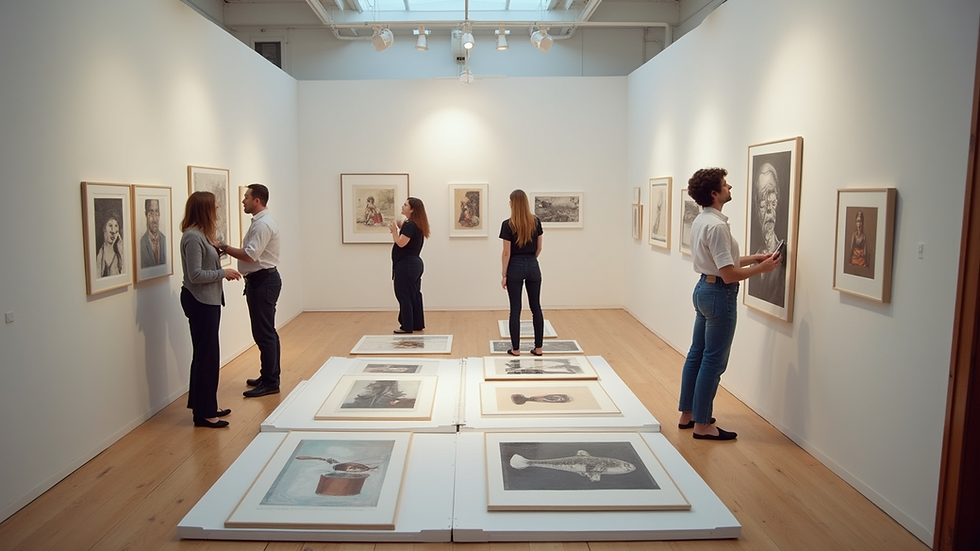
The layout of an art gallery is carefully planned to enhance the viewing experience. Lighting, wall color, and spacing all contribute to how the artwork is perceived. Galleries often rotate exhibitions to keep the experience fresh and to showcase a variety of artists and styles.
For instance, a gallery might feature a solo exhibition of a single artist’s work or a group show that explores a particular theme or movement. This variety allows visitors to engage with art in multiple ways and discover new perspectives.

How to Navigate an Art Gallery Visit
Visiting an art gallery can be an enriching experience if approached with curiosity and openness. Here are some practical tips to make the most of your visit:
Research the Exhibition - Before you go, check the gallery’s website or social media for information about current shows and featured artists.
Take Your Time - Don’t rush through the exhibits. Spend time observing details, colors, and techniques.
Read the Labels - Artwork labels provide valuable context such as the artist’s name, title, medium, and inspiration.
Ask Questions - If staff or docents are available, don’t hesitate to ask about the art or the artists.
Attend Events - Many galleries offer opening receptions, artist talks, and workshops that enhance your understanding.
By following these steps, you can transform a simple visit into a meaningful cultural experience.
The Business Side of Art Galleries
Behind the scenes, art galleries operate as businesses that balance artistic integrity with financial sustainability. Galleries invest in artists by promoting their work, organizing exhibitions, and connecting them with buyers. In return, they typically take a commission on sales.
Marketing is a key component of a gallery’s success. This includes maintaining an online presence, participating in art fairs, and building relationships with collectors and institutions. Galleries also manage logistics such as shipping, insurance, and installation of artworks.
For artists, partnering with a reputable gallery can provide exposure and career development opportunities. For collectors, galleries offer access to curated selections and expert advice.
Engaging with Art Beyond the Gallery Walls
Art galleries are gateways to a broader cultural ecosystem. Many galleries collaborate with museums, cultural institutions, and community organizations to expand their reach. They may also support public art projects, artist residencies, and educational initiatives.
Engaging with art outside the gallery can include visiting art fairs, exploring public installations, or participating in art workshops. Digital platforms have also made art more accessible, allowing people to view exhibitions virtually and connect with artists worldwide.
For those interested in learning more, consider subscribing to gallery newsletters, following artists on social media, or joining local art groups. These activities can deepen your appreciation and keep you informed about upcoming events and opportunities.
Whether you are admiring a painting, attending an exhibition, or collecting works, understanding the world of art galleries enriches your connection to art. For more insights into the dynamic role of galleries, you can explore the offerings of a well-established art gallery that supports artists and art lovers alike.



Comments